EN
EN


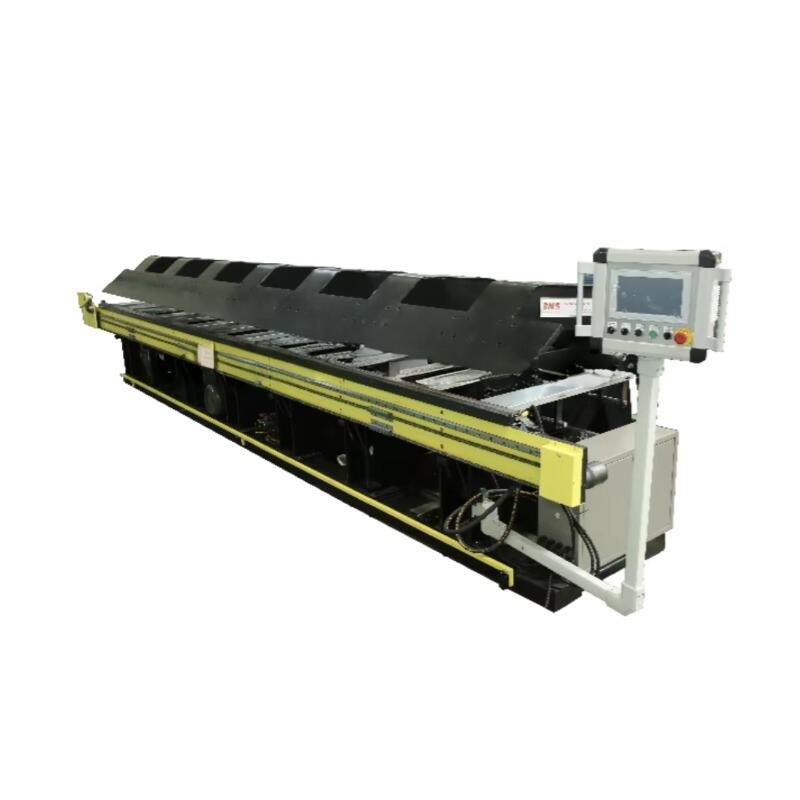
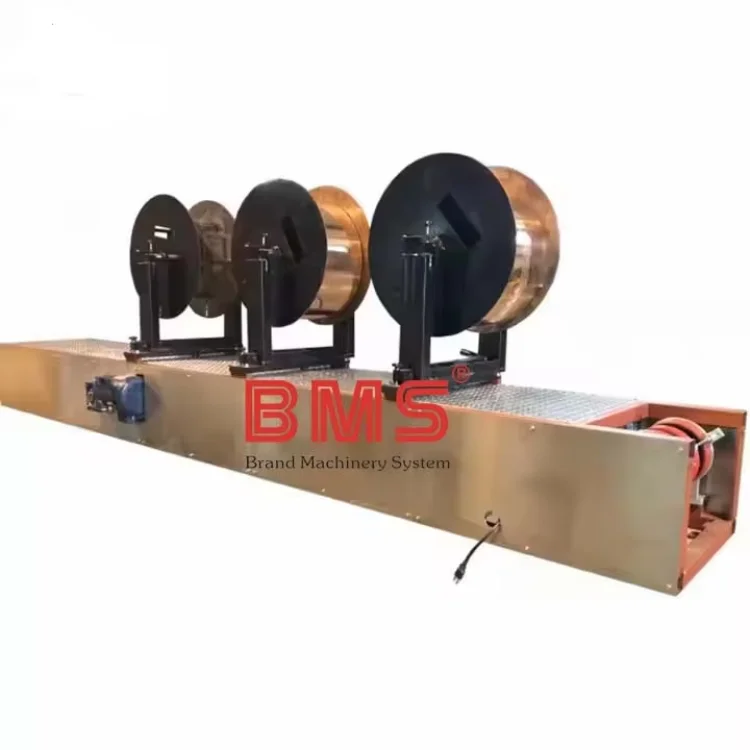
In the complete workflow of coil slitting, the recoiling phase is where the product is packaged for its next journey. A recoil slitting machine that merely winds the strips is insufficient; it must actively manage the complex physics of building a stable, multi-layer package from several independent strands of metal moving at high speed. The challenges are multifaceted: maintaining individual strip tension amidst varying drag, ensuring each strip tracks perfectly onto a shared or separate mandrel without crossing, and controlling the increasing inertial mass of the growing coil to prevent defects. Poor recoiling can ruin an otherwise perfect slitting job, resulting in coils that are difficult to unroll, prone to edge damage, or simply rejected by quality-conscious customers. Therefore, the recoil system is not an auxiliary component but a core competency of a high-performance slitting line.
Our engineering philosophy treats the recoiling process with the same seriousness as the slitting action itself. We understand that the forces involved in winding a coil are dynamic and cumulative. Our systems begin with precise tension isolation. Using a combination of dancer rolls, load cells, and digital regulators, we establish and maintain the ideal tension for each strip or strand group from the point of separation to the point of contact with the recoiler. This prevents “soft” wraps that lead to nesting and slippage. The heart of the system is the winding control logic. Our programmable controllers execute sophisticated winding patterns, including constant tension, taper tension, and programmed oscillation for strip placement. For sensitive or thin materials, we may employ surface winding where a drum supports the coil to prevent tension-induced stretching or wrinkling.
The impact of a high-performance recoil slitting machine is felt across the supply chain. For a metal service center, producing neatly wound, tight coils enhances their marketability and reduces claims for handling damage. For a manufacturer feeding a high-speed stamping press, a uniformly wound coil ensures consistent feed length and prevents misfeeds that can halt production and damage expensive dies. In industries like transformer manufacturing (using electrical steel) or precision motor lamination, the specific pack density and alignment achieved by the recoiler directly influence the stacking factor and magnetic performance of the final core. Our company’s expertise in delivering these integrated solutions is grounded in our holistic view of the coil processing line. We do not design slitters and recoilers in isolation; we design them as a synchronized system. Our manufacturing capability allows us to produce the robust, precision components required for heavy-duty recoiling—such as large-diameter hydraulic mandrels and rigid support frames—ensuring they are built to the same standards as the slitting unit. Furthermore, our extensive application experience across global markets provides us with a deep repository of knowledge on how different materials behave during rewinding. This enables us to tailor the recoil slitting machine parameters and features to your specific material set, ensuring you achieve optimal winding results from day one, protecting your product quality and enhancing your operational reputation.
BMS engineers Taiwan-grade cold roll formers since 1998. -30% cost for slitting lines & decoilers. CE/UKCA verified, 48hrs technical confirm. Live chat.
1002,Hualun International Mansion,No.1, Guyan Road, Xiamen, Fujian,China
Copyright © Xiamen BMS Group All Rights Reserved. Privacy Policy