Precision Sheet Metal Slitting Machines for Fabricators

Get a Free Quote

Our representative will contact you soon.
Email
Name
Company Name
Message
0/1000
Precision Sheet Metal Slitting Machines for Fabrication and Assembly

Precision Sheet Metal Slitting Machines for Fabrication and Assembly

In the world of fabrication, appliance manufacturing, and electrical enclosures, sheet metal is the foundational material. Processing it efficiently from coil to precise strips requires a sheet metal slitting machine that balances speed with exceptional accuracy and gentle handling. Our specialized systems are engineered for the common gauges of sheet metal, typically from 0.5mm to 3.0mm, focusing on delivering clean, burr-free edges, maintaining strict dimensional tolerances, and protecting sensitive surfaces. Whether you are working with cold-rolled steel, galvanized sheet, aluminum, or pre-painted coils, our technology ensures your slit strips are ready for immediate punching, bending, welding, or assembly. By optimizing your in-house slitting capability, you gain greater control over supply, reduce material waste, and accelerate production timelines for sheet metal-based products.
Get A Quote

Optimizing Your Sheet Metal Workflow with Advanced Slitting

Integrating a dedicated sheet metal slitting machine into your operation addresses the specific challenges of processing thinner, wider, and often pre-finished materials. The advantages are centered on enhancing quality, protecting your material investment, and improving overall workflow efficiency. Our machines provide the controlled precision necessary to prevent the edge deformation and surface damage that can plague sheet metal processing, while their robust design ensures reliable performance in a production environment. This leads to a direct improvement in the quality of your fabricated parts, a reduction in downstream rework, and a more streamlined, cost-effective material preparation process.

Superior Edge Quality for Downstream Operations:

The edge of a slit sheet metal strip is critical for welding, sealing, and assembly. Our machines utilize precisely calibrated tooling and rigid knife shafts to achieve clean shear cuts with minimal burr (≤0.1mm). This produces ready-to-use strips that won’t damage forming tools, interfere with weld quality, or require secondary deburring, saving time and cost in your fabrication cell.

Gentle Handling for Sensitive and Pre-Finished Surfaces:

Sheet metal often has painted, coated, or polished surfaces that must remain unmarred. Our sheet metal slitting machine is configurable with non-marking roller coverings, optimized material pathways, and fine-tuned tension control. This careful handling prevents scratches, scuffs, and coating damage, ensuring the visual and functional integrity of the material is preserved from the coil through to the finished component.

High Accuracy and Consistency for Automated Feeding:

Modern fabrication relies on consistency. Our machines deliver reliable slit width tolerances (e.g., ±0.10mm) and flat, camber-free strips. This dimensional stability is essential for reliable feeding in automated punch presses, laser cutters, and roll-forming lines, preventing misfeeds, reducing machine stoppages, and ensuring part-to-part uniformity in high-volume production.

Enhanced Operational Efficiency and Flexibility:

Designed for quick changeovers, our systems allow you to efficiently process various strip widths and material types. User-friendly controls and programmable settings minimize setup time between jobs. This flexibility makes the sheet metal slitting machine ideal for job shops with diverse orders or manufacturers who need to respond quickly to custom requirements, maximizing machine utilization and overall shop throughput.

Tailored Slitting Solutions for the Sheet Metal Industry

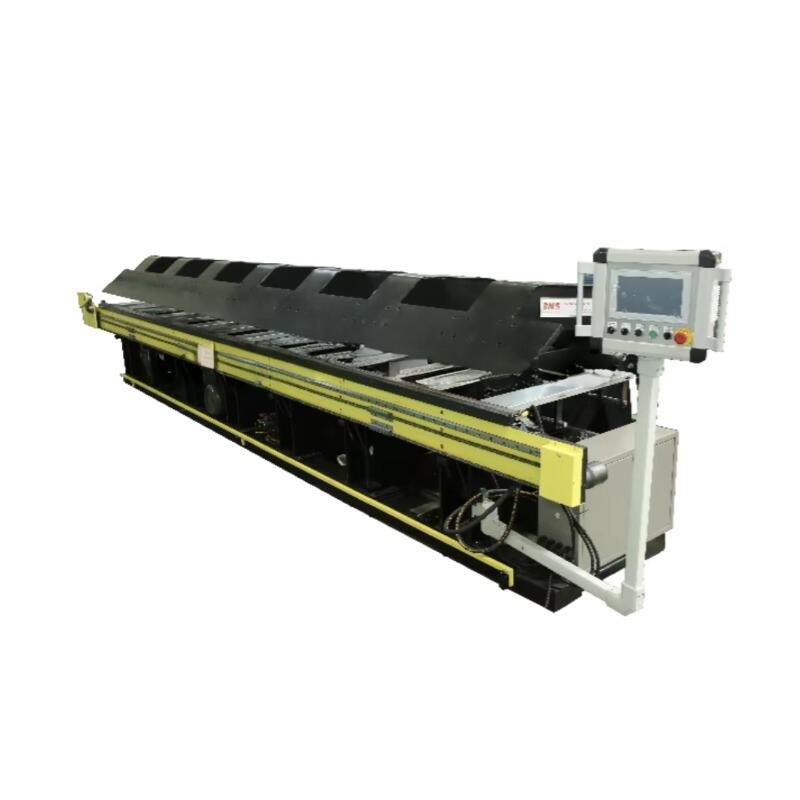
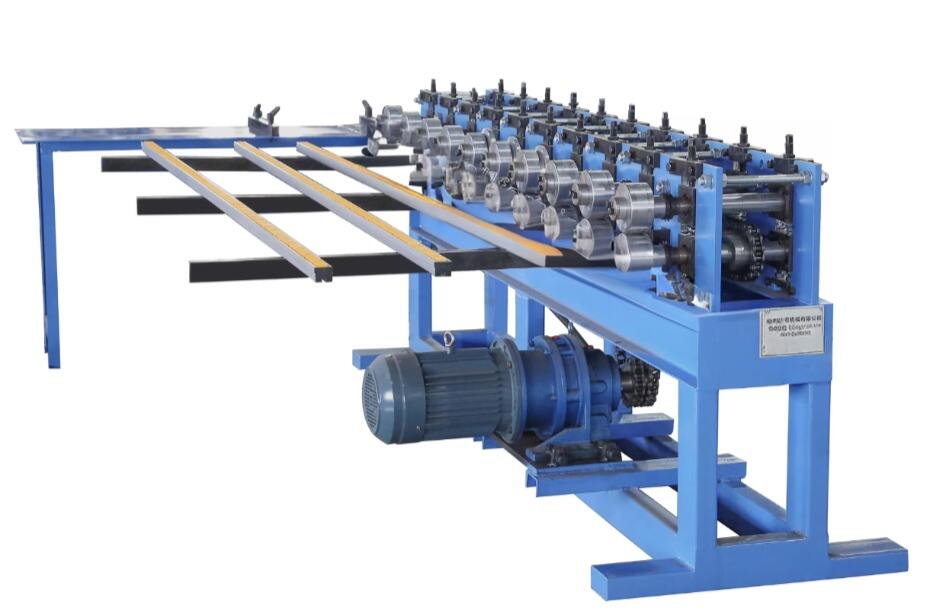
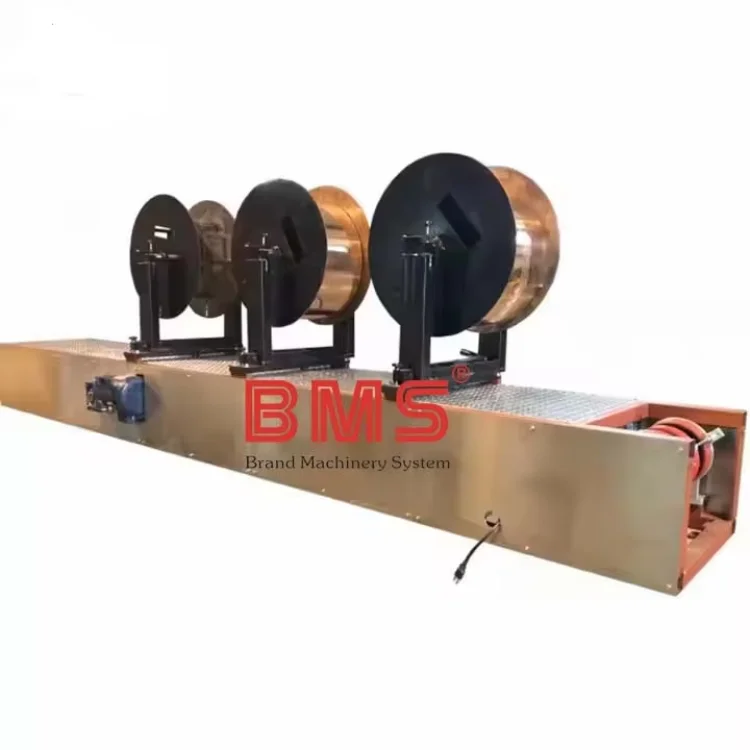
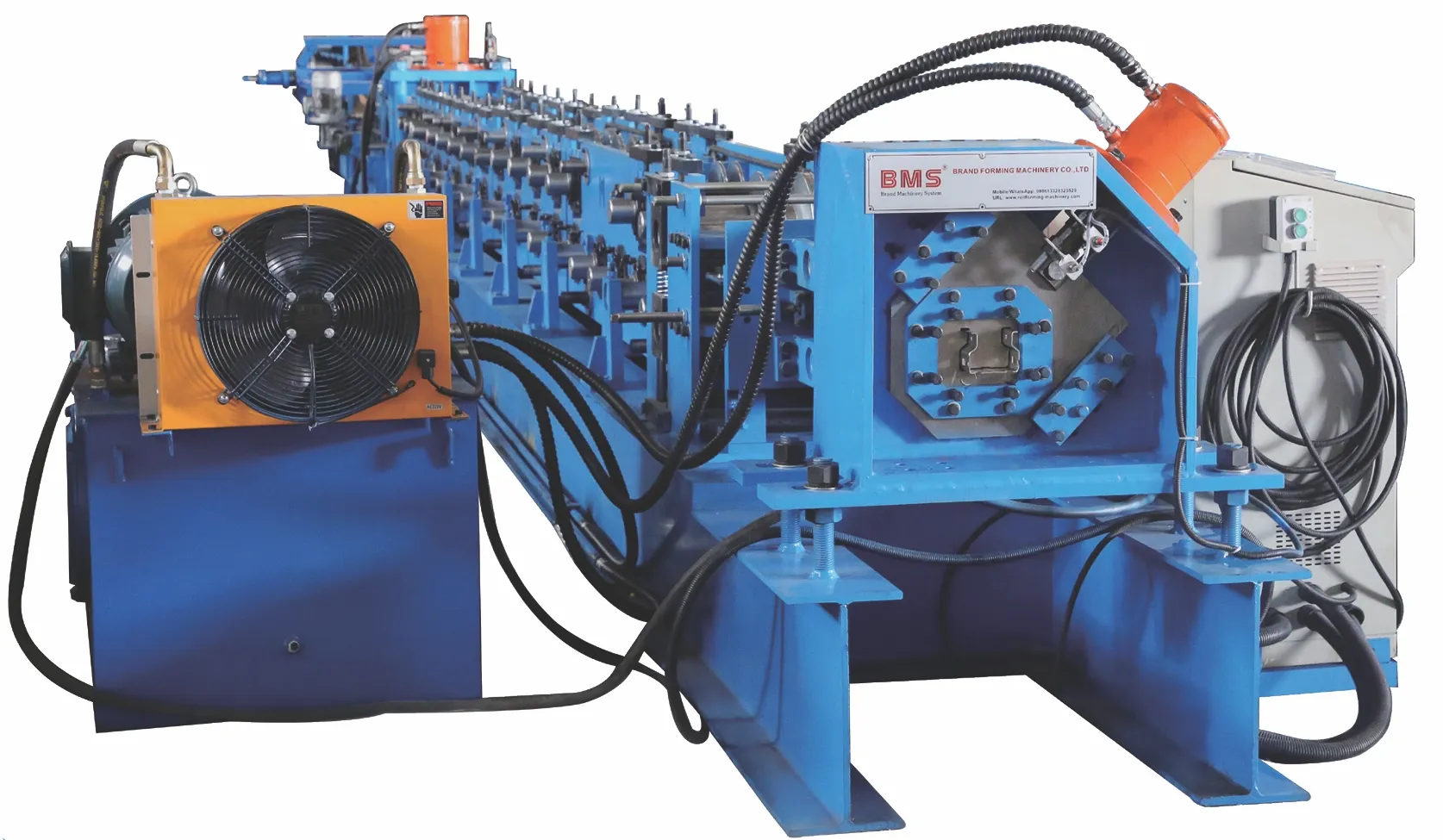
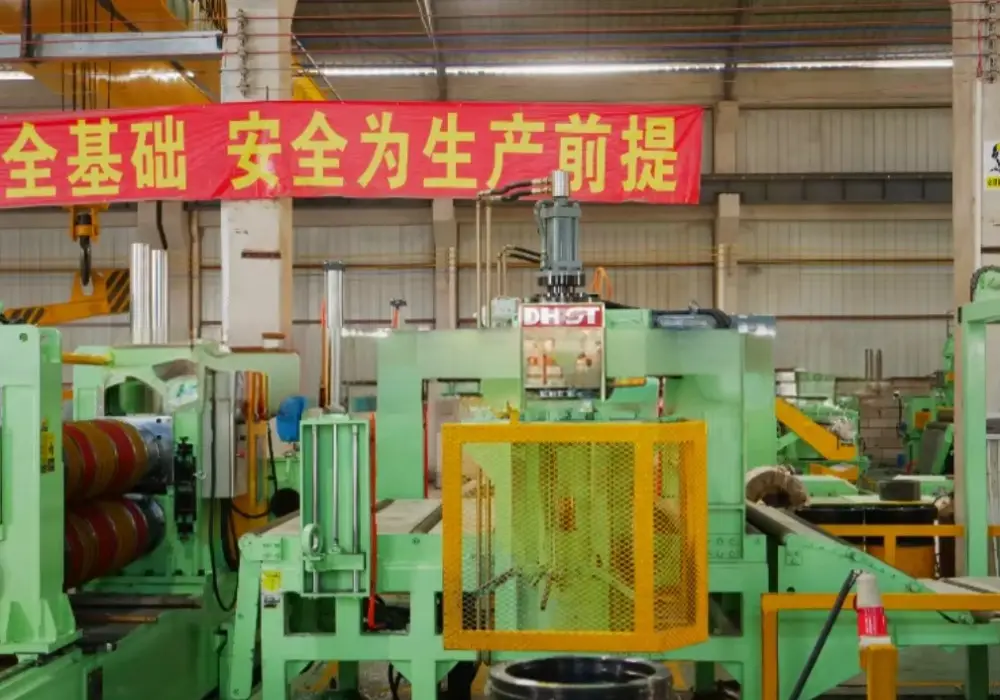
We offer a focused range of sheet metal slitting machine configurations designed for the needs of fabricators and manufacturers. These systems, based on our reliable engineering platform, are optimized for the thickness and width ranges most common in sheet metal work. A typical line includes a sturdy decoiler, precision entry guides, a high-rigidity slitting unit, and a recoiler capable of producing tight, uniform coils of slit strip. We emphasize options that protect material surfaces, such as specific roller finishes, and provide precise tension control suitable for lighter gauge materials. Our solutions are built to be a dependable and integral part of your sheet metal processing workflow.

The term “sheet metal” encompasses a vast array of products, from electrical cabinets and HVAC ducting to appliance housings and architectural panels. The common thread is the material’s form: relatively thin, wide, and often destined for forming or joining processes where edge condition and flatness are paramount. A generic slitting machine may cut the material, but a dedicated sheet metal slitting machine is engineered to do so while adding value and protecting the material’s inherent qualities. The primary challenges are threefold: achieving a clean edge without work-hardening or excessive burr that could affect welding or sealing; maintaining absolute flatness (preventing camber or edge wave) so strips feed smoothly into downstream equipment; and handling the material without damaging often delicate pre-finished surfaces. Compromise in any of these areas translates directly into higher scrap rates, rework, and quality issues in the final product.

Our approach to sheet metal slitting technology is rooted in precision engineering and process control. We understand that the machine must act as a stable, predictable platform. Therefore, we construct our frames to resist the subtle vibrations that can lead to poor edge finish on thin materials. The slitting head is designed for micro-adjustability, allowing operators to set knife clearance and overlap with precision for different gauges and material grades, which is crucial for achieving a clean cut rather than a torn edge. Beyond the cut itself, we focus intensely on material guidance and tension management. Using a combination of entry guides, looping pits, and digital tension controllers, we create a smooth, controlled path for the sheet metal. This prevents the introduction of stresses that cause camber or buckling, ensuring the slit strips exit the machine flat and ready for immediate use. This level of control is what separates a basic cutter from a true production tool for quality-focused fabricators.

For businesses that process sheet metal, the benefits of this specialized equipment are both tangible and strategic. A contract fabricator can offer slit-to-width as a value-added service, attracting clients who need ready-to-fabricate material. An OEM manufacturer of appliances or enclosures can bring slitting in-house, gaining tighter control over inventory and production schedules, and eliminating the cost and lead time of purchasing pre-slit material. Our company’s strength in providing these solutions is amplified by our broad experience in metalforming and our customer-centric engineering philosophy. Our team is adept at translating the practical needs of a sheet metal shop—such as quick job turnover, ease of operation, and minimal maintenance—into reliable machine design. Our manufacturing scale ensures we can build these precision machines with consistent quality, while our global service experience means we understand the support needs of busy production facilities anywhere. By implementing our sheet metal slitting machine, you are not just adding a piece of equipment; you are investing in a process enhancement that raises the quality floor of your output, increases your operational agility, and solidifies your capability to deliver high-standard sheet metal products consistently.

Technical Insights for Sheet Metal Slitting Applications

Get answers to specific questions about achieving optimal results when slitting various types of sheet metal coils.

What is the key to achieving a burr-free edge in sheet metal slitting?

The single most critical factor is maintaining the correct knife clearance and alignment for the specific material thickness and hardness. Too little clearance causes excessive friction and rolls the metal, creating a large burr. Too much clearance allows the metal to tear before shearing, also creating a ragged edge. Our sheet metal slitting machine provides the mechanical stability and precise adjustment mechanisms to set and hold this clearance accurately. Additionally, using sharp, high-quality tooling made from appropriate steel (like H13K) is essential. A stable cut free of machine vibration (chatter) is equally important, as chatter will produce a serrated, inconsistent edge. Our rigid machine design directly addresses this, ensuring a smooth, clean shear.
Yes, absolutely. Processing soft, non-ferrous metals like aluminum requires specific configurations to prevent surface damage (scratches) and material pickup (galling). For this application, we configure the sheet metal slitting machine with several key features: Non-Marking Rollers: All contact rollers are specified with a polished chrome finish or covered with a soft, non-marking material like polyurethane. Optimized Path Geometry: The line is designed to minimize wrap angles and avoid any sharp contact points. Material-Conscious Tooling: We may recommend polished cutting tools or specific blade geometries that reduce friction. Controlled Tension: The tension system is finely tuned to provide control without stretching the soft material. These measures ensure aluminum coils are slit cleanly while preserving their critical surface finish for anodizing or painting.
Preventing camber requires addressing its root causes: uneven tension or misalignment across the strip width. Our systems combat this through integrated design: 1. Precise Entry Guidance: The strip must enter the slitting head perfectly square. Our hydraulic or servo edge guides provide accurate, real-time alignment. 2. Balanced Tension Control: Our multi-zone tension system ensures the pulling force is even across the entire width of the sheet before it is cut. 3. Rigid, Symmetrical Construction: The slitting head and its supports are built to be perfectly symmetrical and resist lateral deflection, ensuring the cutting force is applied evenly. If a slight camber tendency is known for a specific coil, our machines often allow for a slight steering adjustment at the recoiler to correct it during winding, resulting in straight, usable strips.

Related Articles

What is a Roll Forming Machine?

26

Dec

What is a Roll Forming Machine?

View More
 The Role of Roll Forming Machinery in the Energy Sector

26

Dec

The Role of Roll Forming Machinery in the Energy Sector

View More
Purlin Roll Forming Machines Overview

26

Dec

Purlin Roll Forming Machines Overview

View More

Fabricator Feedback on Sheet Metal Slitting Performance

Hear from professionals in the fabrication industry on how our slitting technology has improved their sheet metal operations.
Mark Thompson

“As a custom electrical enclosure builder, we need various strip widths from painted coil. This sheet metal slitter gives us that flexibility in-house. The edge quality is excellent for our seam welders, and we’ve had zero issues with surface scratches. It’s fast, accurate, and has made us much more responsive to client needs.”

Chloe Kim

“Feeding our stamping lines for appliance doors requires perfectly flat, consistent strips. This machine delivers that. The lack of camber means no press misfeeds, and the clean edges mean no secondary processing. It runs reliably as part of our high-volume production and has been a great investment for consistency and quality.”

Diego Fernandez

“We handle everything from thin galvanized to stainless sheet. The ability to quickly change setups and the machine’s inherent precision are what we value most. It handles all our materials well, protects finishes, and produces professional-quality slit coils. The support from the supplier has been top-notch as well.”

Get a Free Quote

Our representative will contact you soon.
Email
Name
Company Name
Message
0/1000
ico
weixin