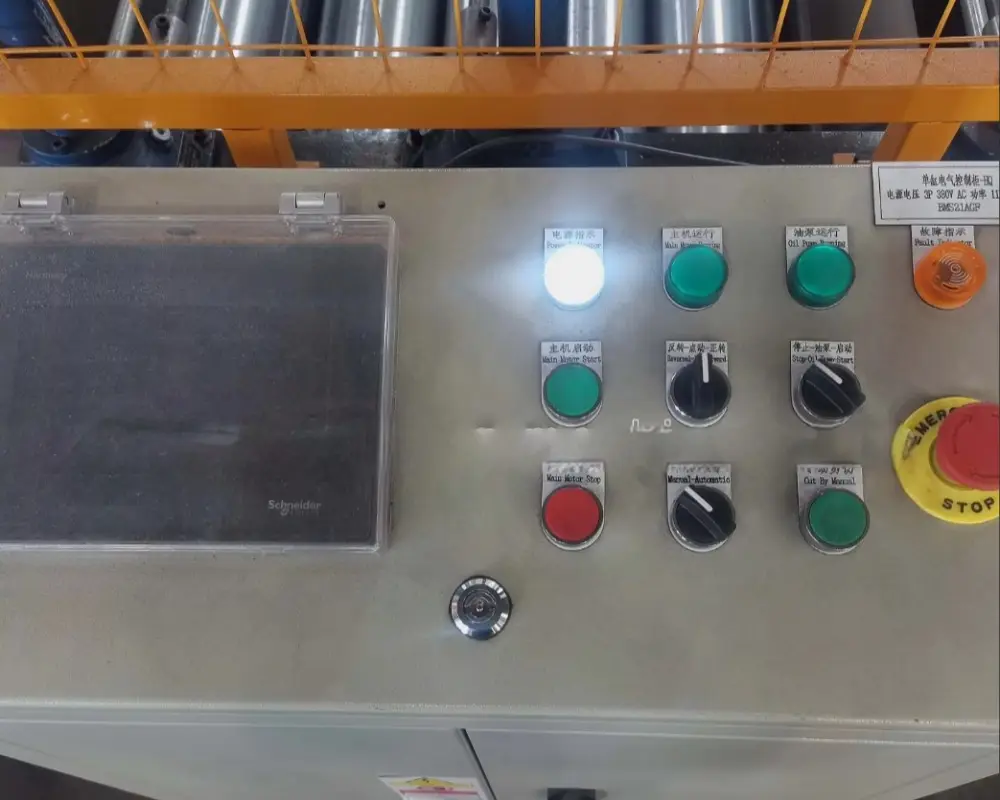
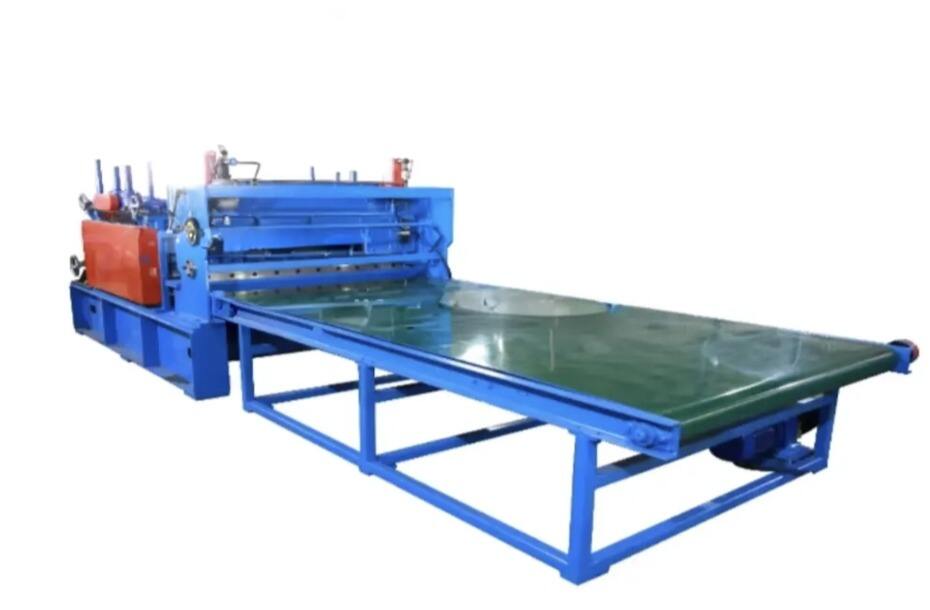
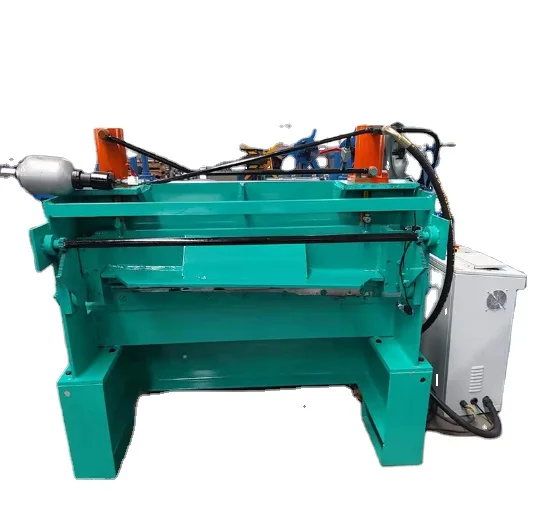
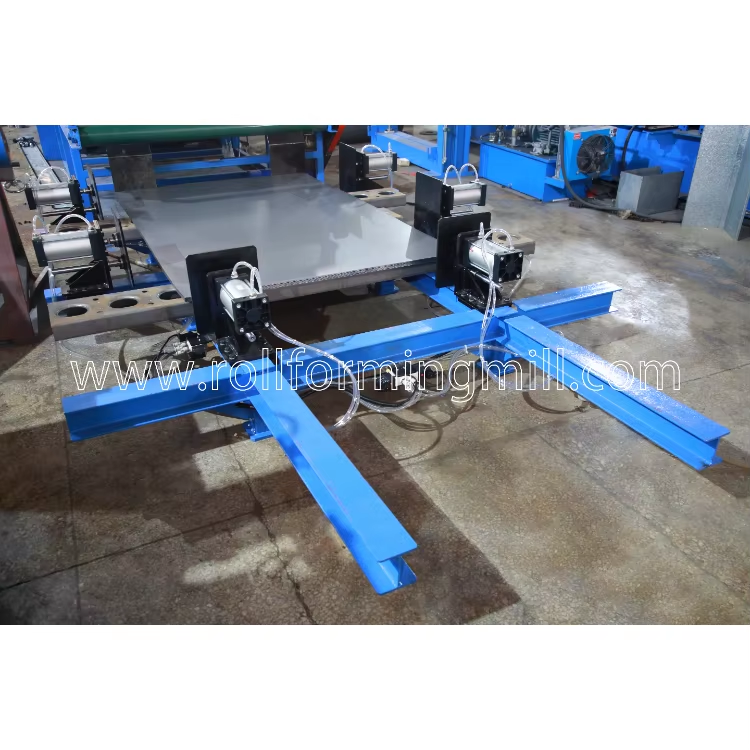
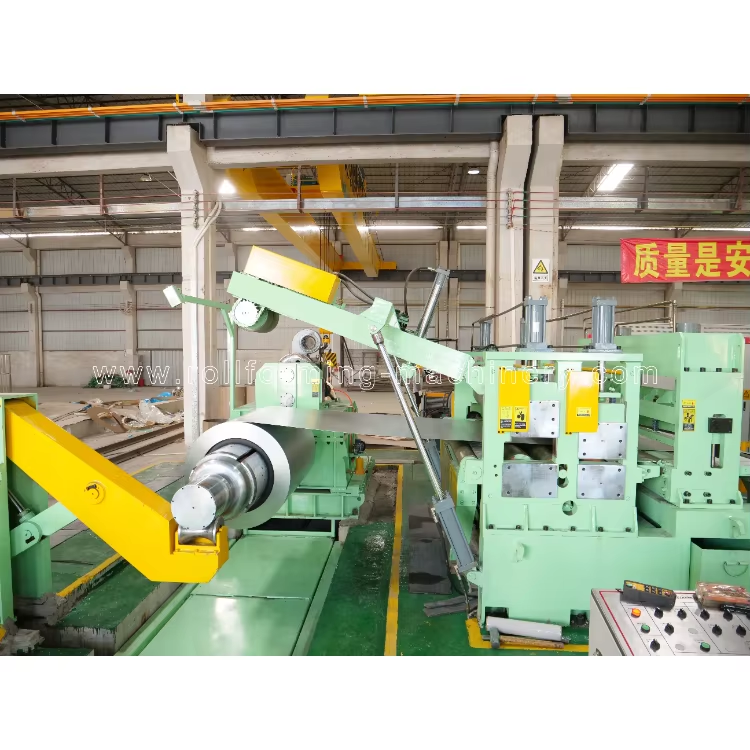
ՈՒղղահայաց կամ կիսաավտոմատ կտրման սարքերից ամբողջությամբ ինքնաշխատ երկարությամբ կտրման սարքին անցումը մետաղի մշակման արդյունավետության ամենակարևոր փուձարկումներից մեկն է: Այս անցումը ոչ միայն մարդու կատարած գործը մեքենայով փոխարինելու մասին է, այլ նաև արտադրության փիլիսոփայության հիմնարար վերակառուցման մասին է՝ կանխատեսելիության, ճշգրտության և մասշտաբավորման շուրջ: Ձեռնարկատերերի և գործարանի տնօրենների համար այս սարքավորումը հիմնական լուծումն է աճող աշխատանքային ծախսերի, խիստ որակի պահանջների և ավելի արագ, ճկուն արտադրական ցիկլերի անհրաժեշտության համատեղված մարտահրավերներին: Այն երկարությամբ կտրման գործընթացը վերածում է արգելակից ավելի շատ՝ հոսքային, վստահելի հատված նյութի աղբյուրի:
Ավտոմատացված կտրման կիրառման ոլորտը շատ լայն է, հատկապես այն արդյունաբերություններում, որտեղ հիմնարար նշանակություն ունեն մեծ ծավալները, համատեղելիությունը և լին-արտադրության սկզբունքները: Սարքավորումների և էլեկտրոնիկայի արտադրության ոլորտում այս մեքենաները անընդհատ աշխատում են՝ մատակարարելով համատեղելի մասերի հաստատուն հոսք սարքավորումների մարմինների, շասսիների և ներքին բաղադրիչների համար, ինչը կատարյալ համաժամանակեցված է բարձրահաճախականության հավաքման գծերի հետ: Շենքերի պանելների և բաղադրյալ նյութերի արտադրողները օգտագործում են դրանք պատված կոյլից ճշգրիտ կտրելու համար մակերեսային թերթեր, որտեղ չափսերի համատեղելիությունը կրիտիկական նշանակություն ունի լամինացման գործընթացների և վերջնական արտադրանքի որակի համար: Ավտոմոբիլային մատակարարման շղթան օգտագործում է դրանց ճշգրտությունը մասերի կտրման համար, որտեղ նույնիսկ փոքր չափսերի շեղումները կարող են առաջացնել հավաքման գծի կանգը: Ավելին, նորաստեղծ իմաստուն գործարանների և մեծ մասշտաբի պայմանագրային արտադրողների համար ավտոմատ երկարությամբ կտրման մեքենան Ինդուստրիա 4.0-ի հիմնարար սյունն է: Դրա թվային ինտերֆեյսը թույլ է տալիս անմիջապես ինտեգրվել արտադրական կառավարման համակարգերի (MES) հետ՝ հնարավորություն տալով իրական ժամանակում վերահսկել արտադրությունը, հեռավար վերահսկել գործընթացները և տվյալների վրա հիմնված օպտիմալացնել նյութերի օգտագործումը, ինչը կտրման պարզ գործընթացը վերածում է արժեքավոր գործառնական տեղեկատվության աղբյուրի:
Այս կարևորագույն ավտոմատացման բաղադրիչը մատակարարելու մեր հնարավորությունը պայմանավորված է էլեկտրական կառավարման ինժեներիայի և ծանր մեխանիկական արտադրության խորը ինտեգրմամբ: 25 տարի շարունակ փորձառություն ունենալով ռոլ ձևավորման և մշակման գծերի ոլորտում՝ մենք հասկանում ենք ծրագրային հրահանգների և ֆիզիկական սարքի ռեակցիայի ճշգրիտ փոխազդեցությունը, որն անհրաժեշտ է իսկական հուսալիության համար: Մեր փորձառությունն ամրապնդվում է մեր սարքավորումների համապատասխանությամբ համաշխարհային ճանաչում ստացած անվտանգության և EMC ստանդարտներին, որն ապահովում է, որ մեր ավտոմատացված համակարգերը անվտանգ աշխատեն անձնակազմի և այլ զգայուն գործարանային սարքավորումների կողքին՝ ժամանակակից սարքավորումների համար անհրաժեշտ պահանջ:
Ըանկանալություն ընտրել մեր ընկերություն որպես ձեր ավտոմատացման գործընկեր տալիս է հստակ ռազմավարական առավելություններ: Նախ, դուք օգտվում են ինտեգրված արտադրական փորձի անմիջական հասանելիությունից: Մեր ներքին վերահսկողություն ծանր մեխանիկական պատրաստման և բարդ PLC ծրագրավորման վրա նշանակում է, որ մեքենան առաջարկվում է որպես համատեղված, կատարյալ կարգավորված միավոր: Այս ինտեգրումը հիմնարար է հասնելու անհրաժեշտ հուսադրության անհատես գործարկման համար, և դա առանց համակարգի ինտեգրատորի բարձր գնի: Երկրորդ, մենք առաջարկում ենք ապագային համատեղելիություն ունեցող ավտոմատացում հետևանքային մասշտաբավորման հնարավորությամբ: Մեքենայի կառավարման ճարտարապետություն նախագծված է համար կապակցվածություն, ինչը հեշտ դարձնում է ծայրամասային սարքավորումների ավելացումը, ինչպես օրինակ շտրիխկոդային սկաներները աշխատանքի կոչի համար, ցանցային կապակցվածությունը հեռավար ախտորոշման համար, կամ ինտեգրումը ռոբոտային փաթեթավորման բջիջների հետ, երբ ձեր պահանջները մեծանում են: Վերջապես, մեր հաստատված գլոբալ աջակցման մոդելը ավտոմատացված համակարգերի համար կարևոր է: Մենք առաջարկում ենք համապարփակ վերապկրավորում գործարկման վրա, ոչ միայն այլ նաև ավտոմատացված հաջորդականության սպասարկման և հիմնարար խափանումների լուծման վրա: Մեր հեռավար աջակցման հնարավորությունները և արդյունավետ պահեստամասերի սպասարկումը հատուկ նախատեսված են այս բարձր օգտագործվող ակտիվների դադարի նվազեցման համար, ապահովելով, որ ձեր ներդրումը ավտոմատացման մեջ տա անընդհատ, անխափան եկամուտ:
 EN
EN