EN
EN
In today's competitive metal fabrication industry, workshops constantly seek solutions that enhance operational efficiency while maintaining precision quality. The integration of automatic hydraulic plate bending machines represents a transformative approach to metal processing, combining multiple functions into a single, streamlined system. These advanced machines address the fundamental challenges facing modern fabrication shops: the need for versatile equipment that can handle diverse materials, the demand for faster production cycles, and the imperative to reduce operational costs while maintaining exceptional quality standards. By unifying bending, rolling, and cutting capabilities, these systems establish new benchmarks for workshop productivity across multiple industrial sectors.
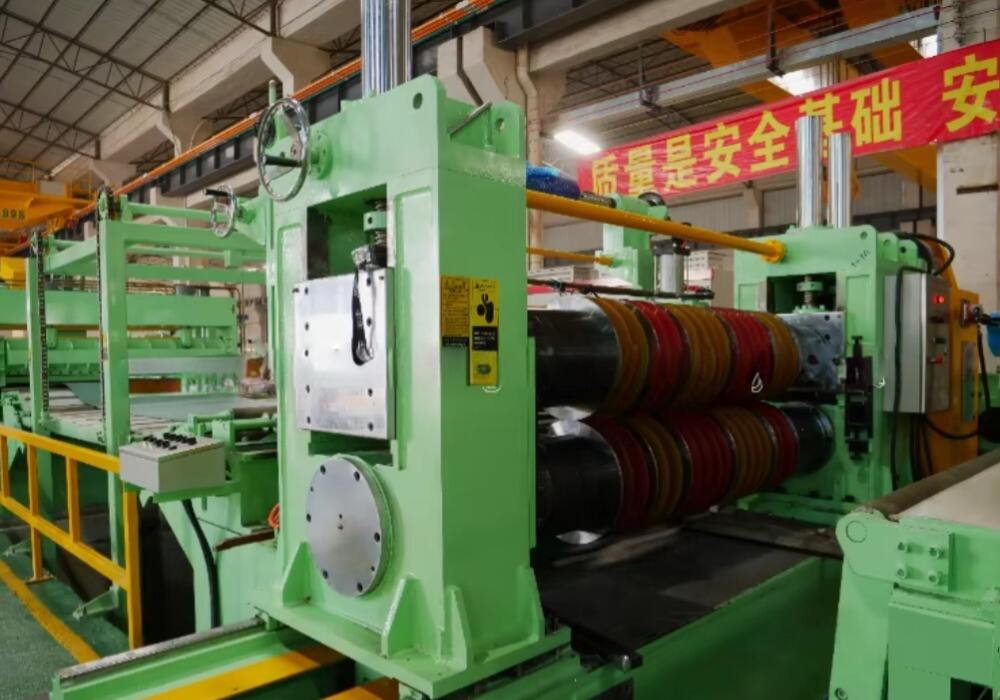
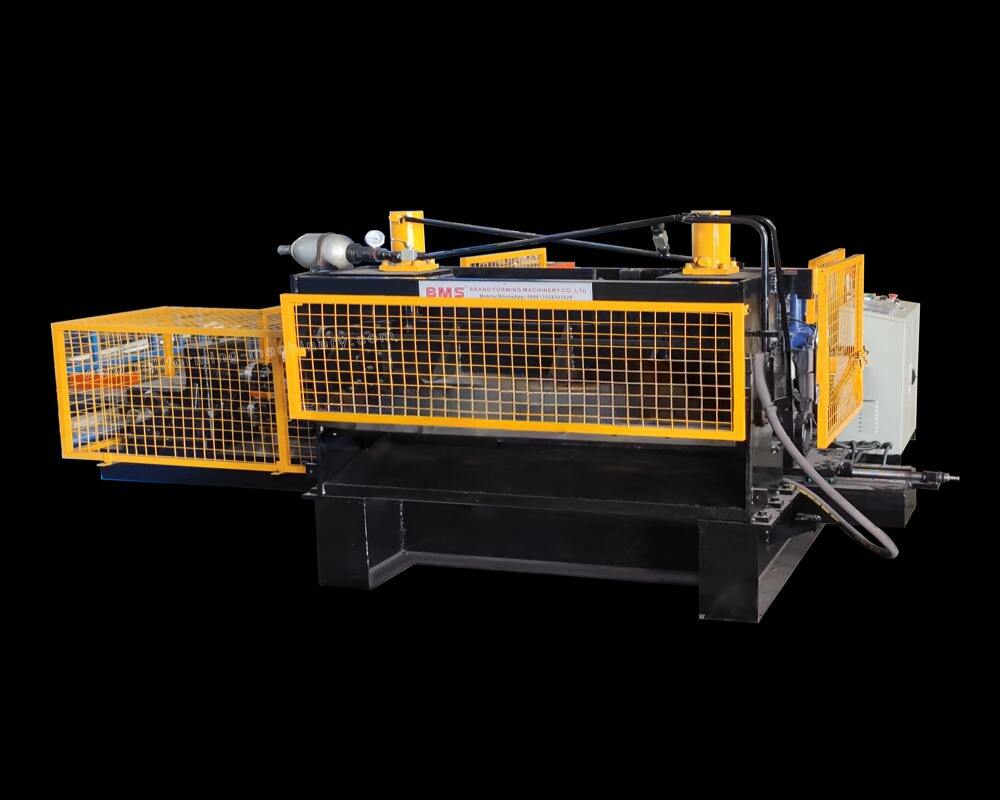
Modern sheet metal bending machine systems have evolved beyond single-function equipment to become integrated processing centers capable of handling diverse metal forming requirements. The contemporary hydraulic automatic sheet bending and plate rolling machine represents this evolution, combining three essential metalworking functions within a unified platform. This integrated approach eliminates the need for multiple standalone machines, reducing material handling requirements and streamlining the production workflow from raw material to finished component.
The exceptional 6000mm processing capacity distinguishes these systems in the metal fabrication market, enabling workshops to handle oversized plates commonly required in construction, shipbuilding, and heavy equipment manufacturing. This substantial width capability allows fabricators to process full-sized sheets without secondary joining operations, maintaining material integrity while reducing labor requirements. The compatibility with both ordinary steel and stainless steel materials further enhances equipment versatility, enabling workshops to serve diverse client needs without investing in specialized machinery for different material types.
The industry positioning of these integrated systems reflects the growing demand for multipurpose equipment that maximizes workshop space utilization while providing comprehensive processing capabilities. In sectors where large-scale metal components are essential - including structural steel fabrication, pressure vessel manufacturing, and bridge construction - the ability to efficiently process oversized materials directly impacts project timelines and economic viability. The large width metal bending machine addresses these requirements through engineered solutions that balance massive processing capacity with precision control.
The technological foundation of advanced hydraulic metal bending equipment lies in its robust hydraulic system, which delivers consistent power for both bending and rolling operations. This system incorporates precision-engineered cylinders and valves that maintain uniform pressure throughout the forming process, ensuring consistent results across the entire workpiece length. The hydraulic power unit is calibrated to provide optimal force distribution, preventing material stress concentrations that can lead to deformation or surface imperfections in finished components.
The plate rolling capability represents another engineering milestone, with sophisticated roller alignment systems that maintain parallel positioning throughout the rolling process. This precision ensures consistent curvature across the entire 6000mm workpiece width, producing perfectly cylindrical sections for tanks, pipes, and structural elements. The initial pinch point, intermediate rolling stations, and final curvature adjustment work in coordinated sequence to gradually form the metal without creating stress points or surface defects. This controlled approach to metal forming preserves the material's structural integrity while achieving the desired geometric configuration.
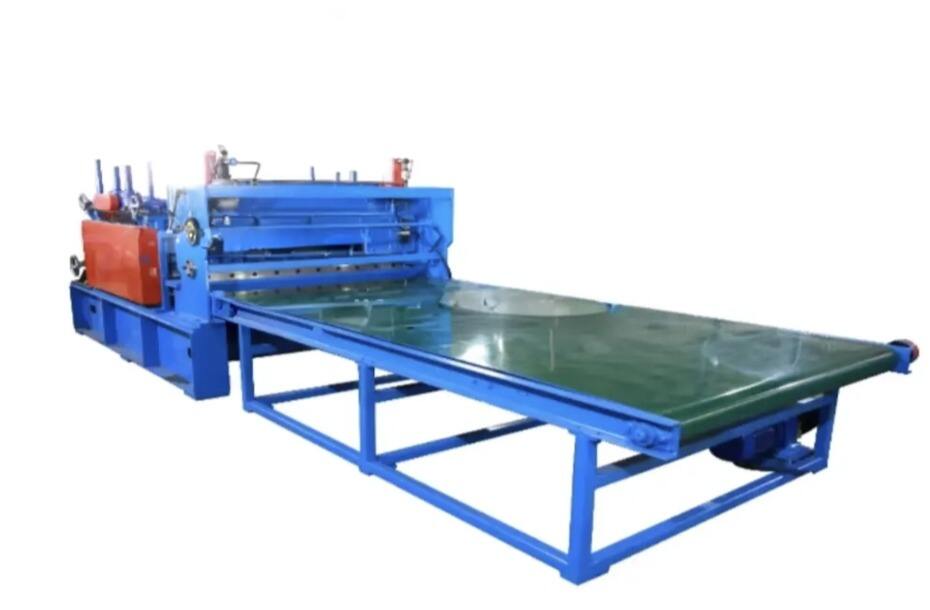
The integration of automatic cut to length machine technology completes the processing sequence by providing precise, programmable cutting of processed materials. This system incorporates servo-driven feeding mechanisms that advance material with accuracy measured in millimeters, ensuring each cut occurs at exactly the specified position. The cutting mechanism, whether hydraulic shear or plasma arc, operates with clean, burr-free results that minimize secondary finishing operations. This automation extends beyond simple measurement to include production counting, batch management, and quality verification, creating a truly integrated manufacturing cell within a single equipment platform.
The practical implementation of stainless steel plate rolling machine technology spans numerous industrial sectors where large-scale metal forming is required. In structural steel fabrication, these systems produce curved beams, arched supports, and custom structural elements that define modern architectural designs. The ability to process 6000mm wide materials enables fabricators to create massive single-piece components for stadium roofs, airport terminals, and industrial facilities where structural integrity and visual appeal are equally important.
The shipbuilding industry presents another significant application area, where curved hull plates, structural supports, and cylindrical sections require precise forming to meet naval architecture specifications. The heavy duty hydraulic plate rolling machine for construction applications demonstrates equal capability in marine environments, processing thick steel plates to exacting curvature requirements while maintaining the material properties essential for maritime safety and performance. The system's capacity to handle both mild steel and higher-strength shipbuilding materials makes it invaluable for naval yards and commercial shipbuilders alike.
Pressure vessel and storage tank manufacturing benefit tremendously from the precision and capacity of these integrated systems. The ability to roll perfect cylindrical sections from single sheets up to 6000mm wide eliminates longitudinal seams in smaller vessels, enhancing structural integrity and reducing potential failure points. The complementary bending capabilities produce dished ends and flange connections with equal precision, creating complete vessel components through a unified manufacturing process. This application versatility demonstrates how integrated plate rolling and bending line for metal fabrication technology transforms workshop capabilities across multiple industrial domains.
The implementation of combined sheet bending and cut to length hydraulic system technology delivers compelling economic advantages through multiple interconnected mechanisms. The consolidation of three distinct manufacturing processes into a single equipment platform generates immediate capital savings compared to purchasing separate dedicated machines for bending, rolling, and cutting operations. This equipment integration additionally reduces factory floor space requirements, allowing workshops to allocate valuable space to other revenue-generating activities or expand their capabilities within existing facilities.
Production efficiency realizes substantial improvements through reduced material handling and elimination of inter-process transportation. When components move directly from cutting to bending to rolling within a single workstation, the non-value-added time associated with moving workpieces between separate machines is eliminated. This streamlined workflow reduces total processing time by 30-50% depending on component complexity, while simultaneously minimizing the potential for handling damage that can occur with repeated material movement.
The high precision automatic cut to length sheet metal equipment further enhances economic efficiency through material optimization and waste reduction. The precision cutting system minimizes kerf loss and material waste through exact measurement and clean cutting action, while the elimination of setup errors reduces scrap rates associated with dimensional inaccuracies. The system's ability to process both ordinary and stainless steels without extensive changeover procedures additionally enhances operational flexibility, allowing workshops to efficiently handle diverse project requirements without sacrificing productivity or efficiency.
The long-term reliability of long service life sheet bending and cutting machinery depends on systematic maintenance practices that preserve equipment performance throughout its operational life. Hydraulic systems require regular monitoring of fluid quality, filter condition, and seal integrity to maintain optimal performance. Progressive maintenance protocols include periodic fluid analysis, proactive filter replacement, and systematic inspection of hydraulic components to identify potential issues before they impact production or cause unscheduled downtime.
The structural components and forming tools benefit from scheduled inspection and maintenance routines that verify alignment, check for wear, and ensure proper lubrication. Roller surfaces, bending dies, and cutting blades require particular attention to maintain the precision essential for quality results. The implementation of preventive maintenance schedules, supported by comprehensive documentation and component history tracking, maximizes equipment availability while minimizing repair costs throughout the equipment lifecycle.
The operational safety systems incorporated into these machines represent another critical aspect of reliability engineering. Emergency stop circuits, safety interlocks, and protective guarding ensure operator protection during all phases of operation. The control system incorporates fault detection and diagnostic capabilities that identify abnormal conditions before they escalate into equipment damage or quality issues. This comprehensive approach to equipment design and maintenance establishes a foundation for sustained reliable operation that protects both the capital investment and the personnel operating the equipment.
The continuing evolution of stainless steel bending and rolling machine with automatic feeding technology reflects broader industry trends toward digitalization and intelligent manufacturing. Next-generation systems incorporate enhanced sensor networks that monitor equipment performance in real-time, detecting subtle changes that indicate developing maintenance requirements or process deviations. This data-driven approach enables predictive maintenance strategies that address issues before they impact production, maximizing equipment availability while optimizing maintenance resource allocation.
The integration with factory management systems represents another significant development frontier, with advanced machines offering seamless connectivity with enterprise resource planning, manufacturing execution systems, and product lifecycle management platforms. This digital thread enables automatic download of production parameters, real-time production tracking, and seamless data flow throughout the manufacturing ecosystem. The resulting visibility enhances production planning accuracy, improves resource utilization, and provides comprehensive traceability for quality-critical applications.
Sustainability considerations increasingly influence equipment design, with energy efficiency emerging as a key development focus. Advanced hydraulic systems incorporate variable displacement pumps, regenerative circuits, and intelligent power management that reduce energy consumption by 25-40% compared to conventional designs. The precision manufacturing capabilities additionally support material conservation through optimized nesting and reduced scrap rates, contributing to more sustainable manufacturing practices. As environmental considerations gain prominence in manufacturing decision-making, these efficiency advantages will become increasingly important differentiators for forward-thinking metal fabrication businesses.
 Hot News
2024-12-26
2024-12-26
2024-12-26
BMS engineers Taiwan-grade cold roll formers since 1998. -30% cost for slitting lines & decoilers. CE/UKCA verified, 48hrs technical confirm. Live chat.
1002,Hualun International Mansion,No.1, Guyan Road, Xiamen, Fujian,China
Copyright © Xiamen BMS Group All Rights Reserved. Privacy Policy