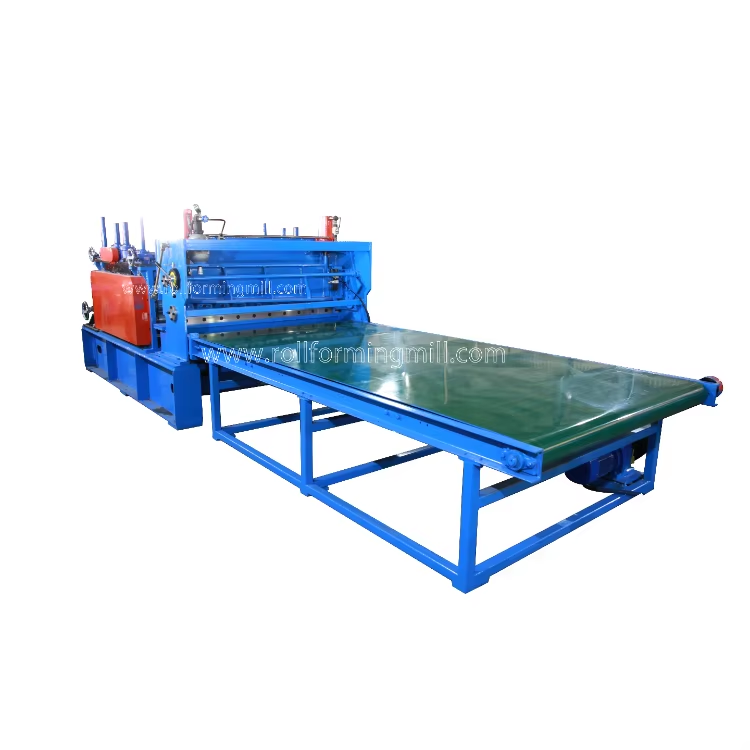
Magnetic Bender for Flawless Thin Sheet Metal Forming

Get a Free Quote

Our representative will contact you soon.
Email
Name
Company Name
Message
0/1000
Specialized Magnetic Bender for Flawless Thin Sheet Metal Forming

Specialized Magnetic Bender for Flawless Thin Sheet Metal Forming

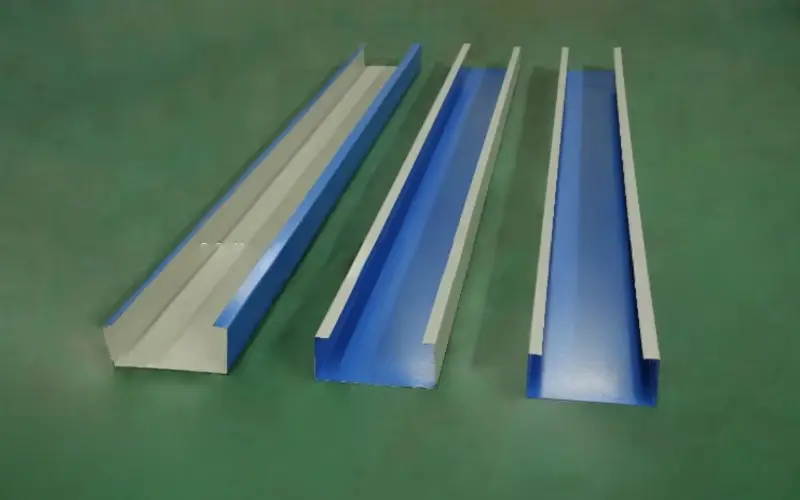
Bending thin sheet metal presents a unique set of challenges where traditional mechanical clamping often leads to unacceptable results like surface marring, edge deformation, and inconsistent angles. Our Magnetic Bender for Thin Sheets is specifically engineered to overcome these obstacles. Utilizing a powerful, programmable electromagnetic field, this machine holds ferrous sheets—typically from 0.3mm up to 1.5mm—with uniform pressure, eliminating clamp marks and the risk of crushing delicate edges. Ideal for applications in electronics enclosures,精密电器组件, decorative panels, and lightweight structural parts, this technology ensures pristine surface quality and high-precision bends every time. At Shandong Nortech Machinery, we combine advanced magnetic control with a rigid machine frame to deliver a bending solution that protects your most valuable and sensitive materials while boosting productivity and reducing scrap.
Get A Quote

The Definitive Solution for Delicate and Precision Thin-Sheet Bending

Investing in a Magnetic Bender for Thin Sheets translates into direct quality improvements and operational efficiencies for thin-gauge metalworking. The core advantage is the complete elimination of physical contact points during clamping, which addresses the primary causes of damage in thin materials. This technology enables you to handle painted, coated, polished, or pre-finished sheets with absolute confidence, while also providing the accuracy needed for intricate part designs. Our machines are built to deliver these benefits reliably, making them an indispensable tool for any workshop or production line focused on high-value, thin-gauge fabrications.

Perfect Surface Protection and Zero Clamp Marks:

The most critical benefit for thin sheets is flawless surface preservation. The electromagnetic force distributes holding pressure evenly across the entire sheet area. This means no hard tooling contacts the surface, preventing scratches, dents, or polishing marks on sensitive materials like brushed stainless steel, anodized aluminum, or powder-coated sheets, eliminating costly rework or rejects.

Prevention of Edge Deformation and Material Distortion:

Thin sheets are prone to buckling or edge curling under the point load of traditional clamp shoes. Our Magnetic Bender for Thin Sheets applies a uniform, controllable force that secures the material without concentrating stress. This prevents deformation at the clamping edge, ensuring the flatness and integrity of the entire workpiece are maintained before, during, and after the bend.

Enhanced Accuracy for Small Flanges and Intricate Bends:

The absence of bulky mechanical clamps provides unobstructed access to the bend area. This allows for bending very close to sheared edges, pre-cut holes, or existing features. It enables the creation of small, consistent flanges and complex multi-bend geometries on thin sheets that would be impossible or highly problematic with conventional tooling, expanding your design and production capabilities.

Rapid Setup and Consistent Repeatability:

Changeover between different sheet thicknesses requires no physical tool adjustment; simply input the new parameter into the CNC control. This drastically reduces setup time for small batches or custom orders. Once programmed, the magnetic force and bend sequence are perfectly repeated for every part, ensuring consistent quality and simplifying production planning for thin-gauge items.

Engineered Bending Systems for Thin-Gauge Material Mastery

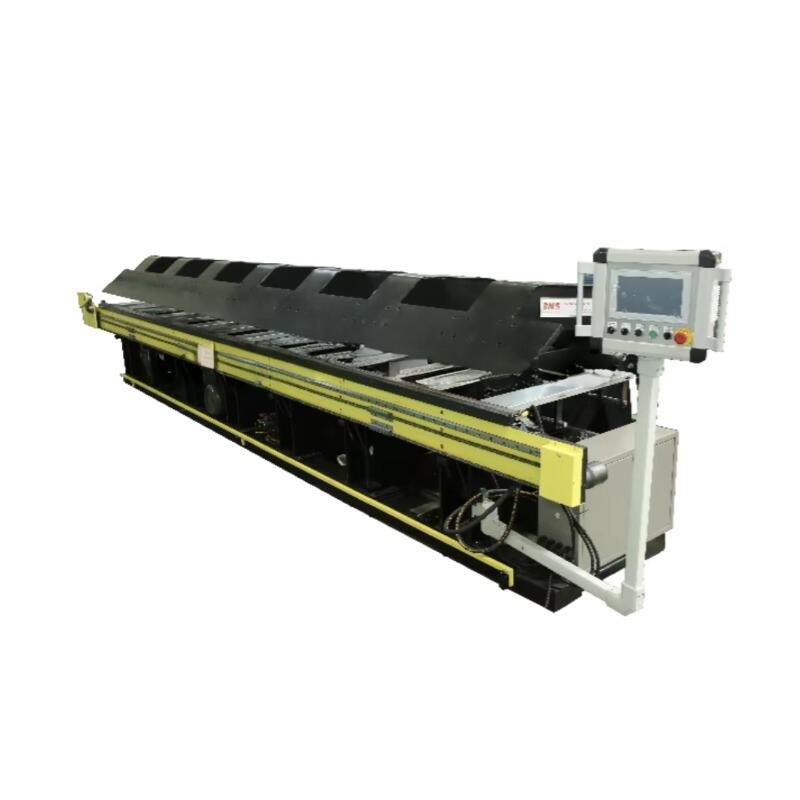
Our range of Magnetic Bender for Thin Sheets includes configurations optimized for the specific demands of light-gauge metal forming. These machines feature precision-calibrated electromagnetic generators designed to provide optimal holding force for thin materials without risk of slippage. The product line encompasses various bending lengths to accommodate different part sizes, all built upon a highly rigid, deflection-resistant frame to ensure accuracy. Standard features include user-friendly CNC controls for programming bend angles and sequences, fine-adjustment backgauges, and safety systems tailored for the precise handling of thin sheets.

The fabrication of components from thin sheet metal is a discipline defined by its sensitivity to handling and process forces. Materials in the 0.3mm to 1.5mm range, while versatile and cost-effective, lack the structural rigidity of thicker plate. This makes them exceptionally vulnerable to the imperfections introduced by conventional press brakes, where hardened clamp shoes must physically grip the sheet to counteract bending forces. This contact often results in cosmetic damage or subtle deformation that can render a part unusable, especially when visual appeal or precise fit is critical. A dedicated Magnetic Bender for Thin Sheets addresses this fundamental conflict by replacing compressive mechanical force with adhesive magnetic force, creating a holding mechanism that is both immensely strong and entirely non-damaging.

The practical applications for this specialized capability are centered in industries where aesthetics, weight, and precision converge. Manufacturers of high-end consumer electronics utilize these benders to form the internal chassis and external bezels of devices without a single blemish. The architectural metalwork sector employs them to create flawless bends on thin decorative panels and trim. Laboratories and equipment producers form precise housings and brackets for sensitive instruments. In each case, the Magnetic Bender for Thin Sheets acts as a guarantor of quality, ensuring that the forming process adds functional geometry without subtracting from the material's inherent value through surface or structural damage.

Our company’s development of this focused technology leverages our broad expertise in metal forming and our commitment to solving specific industrial challenges. We understand that effective magnetic bending of thin sheets requires more than just a strong magnet; it requires precise control over that force to prevent slippage without over-saturating the material. Our engineering team has developed control algorithms that modulate electromagnetic output in real-time, synchronized with the bending cycle. The machine frame itself is constructed to be exceptionally stiff, as even minor flex can lead to angle inaccuracies that are magnified in thin-material work. This combination of smart control and solid mechanics is what defines our solution. Furthermore, our position as an established manufacturer with a global clientele allows us to incorporate real-world feedback into our designs, ensuring reliability and ease of use. By implementing our Magnetic Bender for Thin Sheets, fabricators can confidently accept orders for high-finish, thin-gauge work, secure in the knowledge that they possess the specialized tooling required to execute it flawlessly, thereby opening new market opportunities and enhancing their reputation for quality.

Key Questions on Bending Thin Sheets with Magnetic Technology

Find detailed answers to common concerns and technical queries about using magnetic benders for thin-gauge sheet metal applications.

What is the minimum and maximum thickness of sheet metal your magnetic bender can reliably handle?

Our Magnetic Bender for Thin Sheets is specifically optimized for a thickness range where traditional clamping causes the most issues, typically from 0.3mm (approx. 30 gauge) up to 1.5mm (approx. 16 gauge) for mild steel. The minimum thickness is governed by the magnetic force required to prevent slippage during the bend; too thin a material may not provide enough ferrous mass for a secure hold. The maximum thickness is determined by the machine's magnetic power and frame strength to achieve a proper bend without slippage. We provide specific capacity charts, and the machine's CNC can be programmed with force profiles tailored to different thicknesses within its range to ensure optimal performance and safety.
Yes, it is particularly well-suited for such tasks. The lack of a physical clamp obstacle allows the bending tool extremely close access to the sheet edge, enabling the formation of small flanges. However, the achievable sharpness of an angle (the inside bend radius) is primarily a function of the bending tool (punch) radius and the material's ductility, not the clamping method. Our machines allow the use of appropriately small-radius punches. The magnetic hold itself, by not deforming the material at the clamp line, actually reduces one source of stress, helping to prevent edge cracking. For the very sharpest bends on certain alloys, material annealing might still be recommended, but the magnetic bender provides the cleanest possible forming conditions.
The operational cost structure differs favorably. Tooling Costs: Significantly lower, as you eliminate the need for a library of different clamp shoes and die sets. Consumable Costs: Virtually none related to clamping surfaces. Energy Costs: The electromagnetic system is efficient, consuming power primarily during the active hold phase. Maintenance: Maintenance is generally simpler and less frequent as there are no mechanical clamp cylinders, seals, or shoes to wear out and replace. The primary maintenance points are the CNC system and the bending tool holders. While the initial investment might be comparable to a CNC press brake, the Magnetic Bender for Thin Sheets offers a lower total cost of ownership for applications within its niche, thanks to reduced tooling, less scrap from surface damage, and lower long-term maintenance.

Related Articles

Efficient Coil Slitting Line Solutions for High-Precision Metal Cutting

12

Mar

Efficient Coil Slitting Line Solutions for High-Precision Metal Cutting

Discover the core components essential for efficient coil slitting lines, including uncoiler systems, slitter head configurations, and advanced precision cutting technologies. Explore how optimizing these elements can enhance productivity and quality in various industrial applications.
View More
The Benefits of Using a Coil Upender in Sheet Metal Processing

12

Mar

The Benefits of Using a Coil Upender in Sheet Metal Processing

Discover how coil upenders can streamline production, enhance material handling processes, and maximize cost savings. Learn about seamless integration with coil slitting lines, built-in safety mechanisms, and adaptability to diverse coil sizes in this informative article.
View More

Client Success with Thin-Sheet Magnetic Bending

See how businesses specializing in delicate metalwork benefit from the precision and care of our thin-sheet magnetic benders.
Michael Sorenson,

“Forming the thin, brushed stainless fronts for our luxury appliances was a constant battle against scratches. This magnetic bender solved it completely. The panels are flawless out of the machine, ready for assembly. The precision on our small vent flanges is also perfect. It has transformed a problematic production step into a reliable one.”

Sarah Jennings

“We build custom enclosures for lab equipment. The fast, mark-free setup of this bender lets us iterate designs rapidly using thin aluminum. We can bend right next to installed components without fear of damage. It’s become our go-to machine for all our thin-sheet prototyping and low-volume production.”

Carlos Mendez

“We wanted to offer thin, decorative metal wall panels but were worried about finish quality. This bender gave us the capability. We can work with pre-patinated copper and thin polished brass without a single tool mark. It’s opened up a profitable new market segment for our shop with quality we can be proud of.”

Get a Free Quote

Our representative will contact you soon.
Email
Name
Company Name
Message
0/1000

You may interest in

ico
weixin